
The Best Gym You'll Ever Belong To Is Already Down the Hall
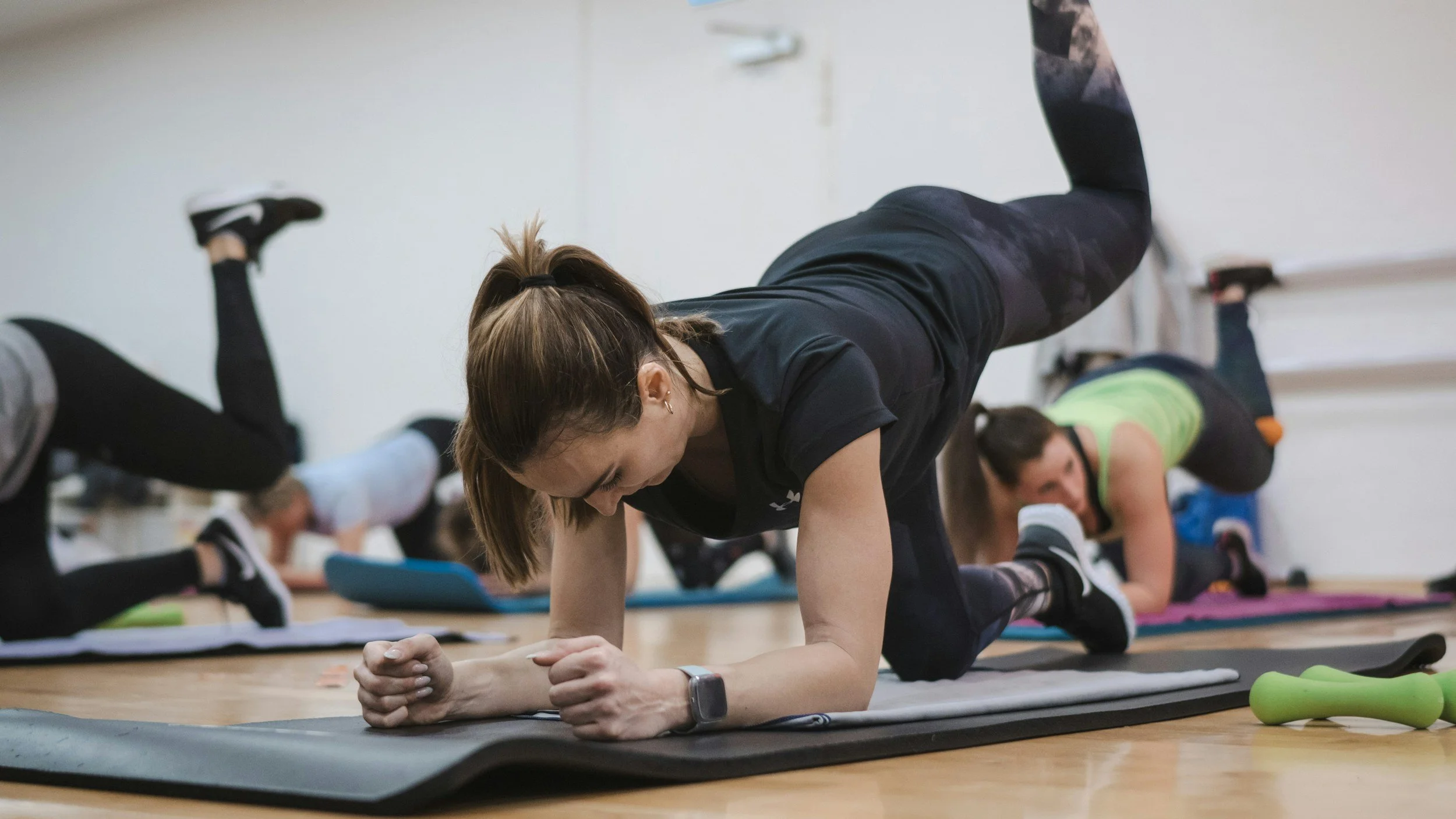
The gym you pay for is the one you stop going to. The space that actually changes how you feel is the one that is closest, the most familiar, and already yours. If you live in a community with a fitness and wellness space, the best gym you will ever belong to is probably a few doors down from where you are sitting right now.
The gym you pay for is the one you stop going to. Almost everyone has done it at least once. The membership in January, the good intentions, the drive across town that felt fine for three weeks and then felt like one more thing, and by March the card is just an autopay you keep meaning to cancel. The treadmill at the gym is not the problem. The distance is. The friction is. The quiet sense that the place belongs to other people and you are a guest who pays for the privilege.
The space that actually changes how you feel is almost never the one you paid the most for. It is the one that is closest, the most familiar, and already yours. And if you live in a community with a fitness and wellness space, the best gym you will ever belong to is probably a few doors down from where you are sitting right now.
If you have never felt at home in a gym, this is for you
You are not the only one who has walked past the fitness room and kept going. You are most of the people who live in your building.
Here is what a space down the hall takes off the table. There is no commute, so the biggest excuse disappears before you can use it. There is no membership and no guilt, so there is nothing to quit and no money quietly leaving your account to remind you that you are not going. There is no crowd of strangers, because the people in there are your neighbors. And there is no one keeping score. You do not have to know what you are doing, you do not have to be in shape to start getting in shape, and you do not have to earn your place in a room you already live next to.
You are allowed to start small. Walk in, look around, try one thing, leave. Come back tomorrow. That is not a lesser version of using the space. That is exactly how it is supposed to work, and it is the version that lasts, because it never asked you to become someone else before you were allowed to begin.
If you already move, this is for you too
Maybe you are the early-morning walker, the lifelong lifter, the retired coach who still knows the difference between equipment that was specified to a standard and equipment that was bought to fill a corner. You have a standard, and you should. Most community fitness spaces have not earned it.
A space worth relying on is different, and you will know it when you see it. It was designed for a real range of training, not a token bench and a single machine. The equipment was chosen on quality and fit, by someone who understood that a space serving real movers has to hold up to real use. You can train seriously without driving across town to do it, and the twenty-step commute that makes a habit easy for the beginner makes consistency effortless for you. You will not outgrow a space that was built to a standard in the first place, and the best thing about it is the same thing the beginner loves: it is right there, and it is yours.
What "yours" actually gives you
Convenience is not a small thing. It is the entire thing. The difference between a habit and a good intention is almost always the distance between you and the door, and a space down the hall closes that distance to nothing. The twenty-step commute is not a perk. It is the reason you will still be using the space in a year, when the across-town membership would have lapsed by spring.
Familiarity does the rest. A space you know lowers the barrier a little more every time you walk in, until one day walking in is just something you do. And the people you see there are the people you live alongside, which turns a workout into a reason to show up, a place to nod at a neighbor, a small daily appointment with your own community. A membership buys you access to a building full of strangers. A space that is yours gives you somewhere to belong.
Why the good ones are good
A community space worth relying on did not happen by accident. It was designed around the people who actually live there, with the equipment chosen for who would use it and the room built to keep serving its residents for years. That is the quiet difference between a space residents return to and one they tour once and forget. It is the kind of space we design, built population-first, to be the best gym the people who live there will ever belong to.
So walk down the hall this week. Look around. Try one thing. The best place you will ever have to get a little stronger, a little steadier, a little more like yourself, might already be a few doors away, waiting for you to notice it was built with you in mind.
Your Fitness Center Toured Beautifully and Sits Empty. Here's What the Rendering Couldn't Tell You.
An empty fitness center is a design failure, not a resident failure. The people did not fail to show up. The space failed to give them a reason to. Most fitness rooms are built from a generic equipment list that satisfies a requirement and serves no one in particular, and residents feel that the moment they look in.
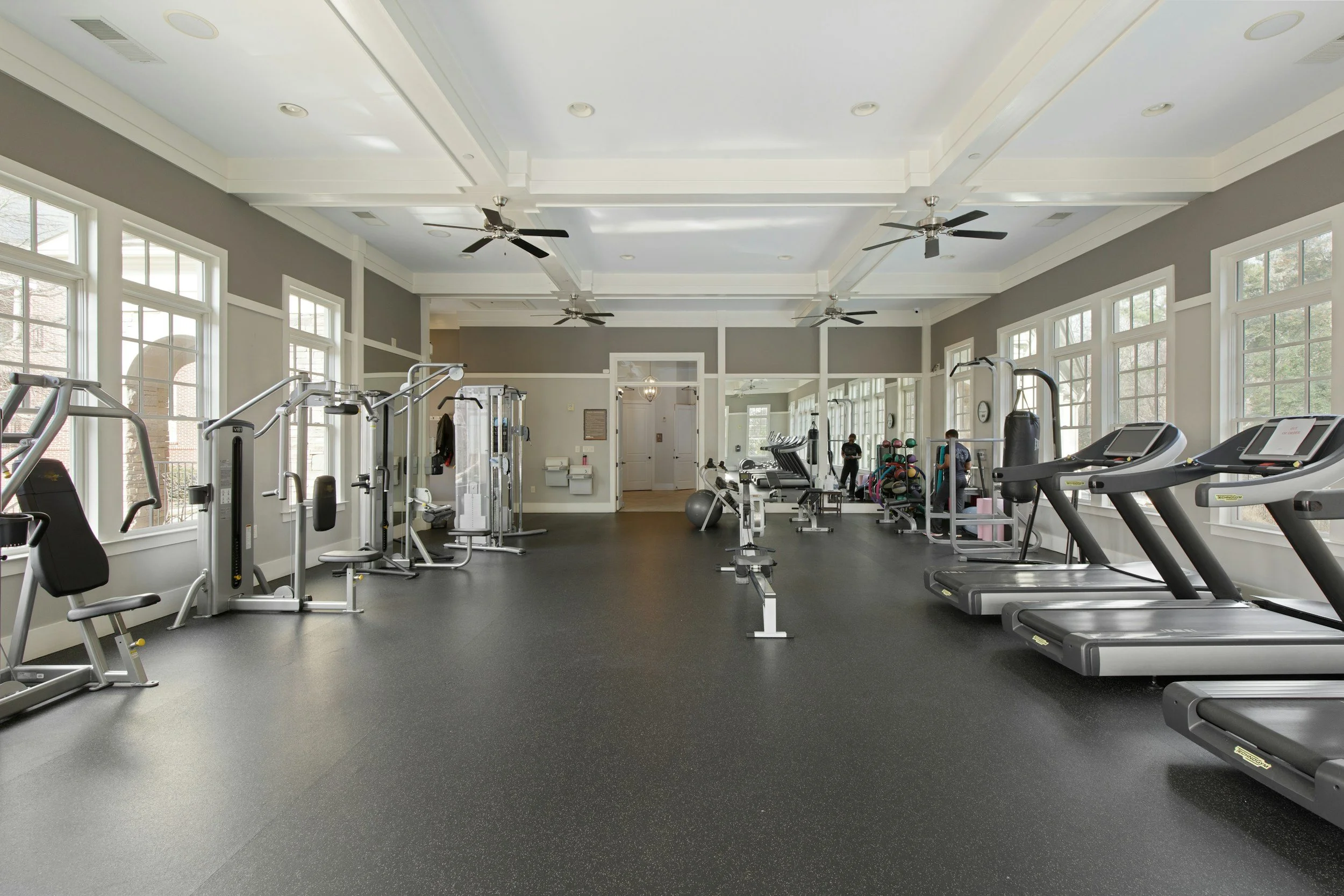
A fitness center is one of the most photographed spaces in any community. It shows up in the leasing tour, the brochure, the website gallery, the board presentation. It looks complete. The equipment is new, the floors are clean, the mirrors are bright. And six months after opening, it sits empty most hours of the day.
This is the most common outcome in resident-facing fitness design, and almost no one names it out loud. The room that toured beautifully went unused, and the operator is left holding a question no rendering can answer: we built it, so why won't they come.
The honest answer is that an empty fitness center is a design failure, not a resident failure. The people did not fail to show up. The space failed to give them a reason to.
The checkbox that satisfies a requirement and serves no one
Most fitness spaces are built from a list. A treadmill, a recumbent bike, a recumbent stepper, a small rack of dumbbells, a few therapy-aligned accessories, a wall of mirrors. The list exists because someone needed a fitness center to be in the plans, and a list is the fastest way to put one there. It satisfies the requirement. It checks the box.
What it does not do is account for the specific human being who will walk into that room. The checklist treats a fitness center as a category with standard components, the way a kitchen has a stove and a sink. But a fitness space is not defined by what is in it. It is defined by whether the people it was built for actually use it. And a space assembled from a generic list, with no assessment of who lives in the building, is a space designed for no one in particular. Residents feel that immediately, even when they can't name it.
Barriers to participation, the thing nobody assessed
Walk the empty room and the reasons reveal themselves.
The equipment signals clinical instead of capable, so the active 74-year-old who still hikes reads it as a space for someone frailer than they are, and walks back out. The sightlines are poor, so a new user feels exposed the moment they step in, watched by anyone passing the glass. The layout has no path, no obvious place to begin, so the person who has never felt at home in a gym stands in the doorway, doesn't know where to start, and decides today is not the day. The intimidation that keeps people out of fitness spaces is not a character flaw. It is a response to a room that was never designed to welcome a beginner.
These are barriers to participation, and they are predictable. They are also solvable, but only if someone identifies them before the equipment is selected, not after the space is already underused. The behavioral science here is not abstract. It is the difference between a room a person enters and a room a person avoids, and it lives in decisions about placement, flow, accessibility, and what the space communicates the moment someone looks in.
What actually drives use is designed in before equipment is selected
The order of operations is where most projects go wrong. The common sequence is: choose the equipment, fit it into the room, mount the mirrors and the televisions, open the doors. Layout becomes whatever is left after the equipment is placed.
Population-first design reverses that. It begins with the people who will use the space, their physical profile, their barriers, what the operations team can realistically sustain, and what the room needs to do for that population over the next two decades. Operational flow, safety, accessibility, and multi-user functionality are designed first. Equipment is specified into a space that was already built to be used, chosen on one basis: quality and fit for the population who will actually use it.
That is the engine underneath every well-used fitness center. The methodology is exercise physiology and behavioral science applied at the design stage. The result the operator sees is simpler: a room with people in it.
Programming is not a fix for a broken room
When a space underperforms, the instinct is to add programming. Hire a wellness director, build a class schedule, run an event, get people in the door through activity. It is a reasonable instinct, and it is backwards.
Programming layered onto a poorly designed space asks a person to overcome the room's barriers through sheer enthusiasm, week after week. It can work for a while, and it almost always fades, because the underlying problem was never the lack of a class. It was a space that made participation harder than it needed to be. A wellness director running real programming inside a well-designed room is a force multiplier. The same director trying to rescue a room that fights them is a patch on a structural problem.
Design without programming is decoration. Programming without design is a workaround. The spaces that hold their use over years are the ones where the design did its job first, and the programming had something to build on.
What this is actually costing you
An empty fitness center is not a neutral outcome. It is capital spent on a space that returns nothing, sitting in a building where every other square foot is expected to perform. It is a leasing point that doesn't convert, a board-level question with no good answer, and an asset that ages without ever having earned its keep.
The room can be fixed, and the fix is rarely a bigger budget. It is a different starting point. Begin with the population, design the space to be used before filling it with equipment, and the same capital produces a space residents return to instead of one they walked through once on the tour.
AR Performance + Design is a fitness and wellness consultancy that designs, specifies, and maintains spaces built around the people who use them, from the first planning conversation through ongoing maintenance and care. If a space in your portfolio toured well and went quiet, there is usually a reason worth diagnosing before the next one.
The 25-Year Fitness Center: Why the Space You Build Today Has to Serve a Resident You Haven't Met Yet
The resident who walks into a new fitness center on opening day is not the resident that space has to serve. They are the resident it has to serve first. A person who moves in at 72 may still be there at 85, and most spaces are designed for the version of them that exists for about a year, in a room meant to last for decades.
The resident who walks into a new fitness center on opening day is not the resident that space has to serve. They are the resident it has to serve first.
A person who moves into a community at 72 may still be there at 85. Their strength, their balance, their grip, their mobility, and what they need from a fitness space will all have changed, sometimes gradually and sometimes fast. The equipment that fit them perfectly at move-in may be the equipment they can no longer use safely a few years later. And yet most fitness centers are designed for the person at the ribbon cutting, frozen at the moment of the rendering, as if that resident will stay exactly who they were the day the doors opened.
They will not. No one does. Designing for the move-in version of a resident is designing for a person who exists for about a year, in a space meant to last for decades.
The aging curve nobody designs for
Over a 10-to-25-year horizon, a resident population moves through real and predictable change. Strength declines without intervention, and is regained more slowly. Balance becomes a daily concern rather than an occasional one. Grip weakens, which quietly determines whether a person can hold a handle, load a pin, or steady themselves on a rail. Cognitive load matters more, which means a machine with a confusing interface stops getting used long before the person stops being capable. Programming needs shift from general fitness toward maintaining the specific functions that protect independence.
None of this is a reason for alarm, and none of it is clinical when it shows up in a design conversation. It is simply the set of facts a fitness space has to be built around if it is going to keep serving the people in the building as they age inside it. A space that ignores the curve serves the population for a narrow window and then quietly stops, even as the residents who need it most are the ones still living there.
Where the short horizon costs money
The cost of designing for today shows up later, and it shows up in capital.
Electrical infrastructure is the clearest example. A layout planned only for the equipment going in on day one, with circuits placed for that configuration and nothing else, becomes a constraint the moment the space needs to change. Adding or relocating equipment that requires dedicated power means opening walls and running new circuits, an expensive correction for a decision that cost nothing to get right at the planning stage. Electrical infrastructure planned for what comes next is one of the highest-leverage decisions in the entire project, and one of the most frequently skipped.
Equipment is the second cost. A piece selected for the independent, mobile resident of today may be inaccessible or unsafe for that same resident in five years, which means the community either replaces it early or watches it go unused. A space built around the trend of the moment ages faster than the building it sits in, and the operator absorbs the difference, either as a premature refresh or as a room that no longer fits its own residents.
The asset, in other words, can age faster than the real estate. That is a planning failure, and it is avoidable.
What a 25-year horizon changes in practice
The horizon is not a philosophy. It is a filter applied to every decision in the project.
Every equipment selection is evaluated against who the population becomes, not only who they are at opening, which means accessibility and adaptability are weighed as heavily as capability. Electrical planning accounts for configurations the space may need years from now, so the infrastructure is ready before the need arrives rather than chased after it. Storage, sightlines, flow, and layout are designed for a range of users and mobility levels that will widen over time, not for a single snapshot of the population on day one.
This is what the Adaptive Resilience Design Framework is built to do. It begins with the end user, their physical profile, their barriers to participation, and what the space must deliver over a 25-year horizon, before any design or equipment decision is made. The name describes the goal. A space designed for adaptation and resilience, built to hold its standard as the people inside it change.
The operator's payoff
A fitness space designed for the long horizon returns the favor in the terms operators and developers actually measure.
Engagement holds, because the space keeps fitting the residents instead of slowly excluding them, and a space that stays usable stays used. The asset avoids the mid-life gut renovation, because it was never built around a configuration with an expiration date. And the capital is defensible, because a space planned for 25 years is a space whose spend can be explained to a board, an LP, or a finance committee as an investment with a horizon, not a cost with a short shelf life.
Building for the resident at move-in is the easy version of this work. Building for the resident they will become is the version that performs. The first fills a rendering. The second fills a room, year after year, long after the tour is over.
AR Performance + Design designs fitness and wellness spaces around a 25-year horizon, grounded in exercise physiology and behavioral science and built to hold their standard as the people who use them change.
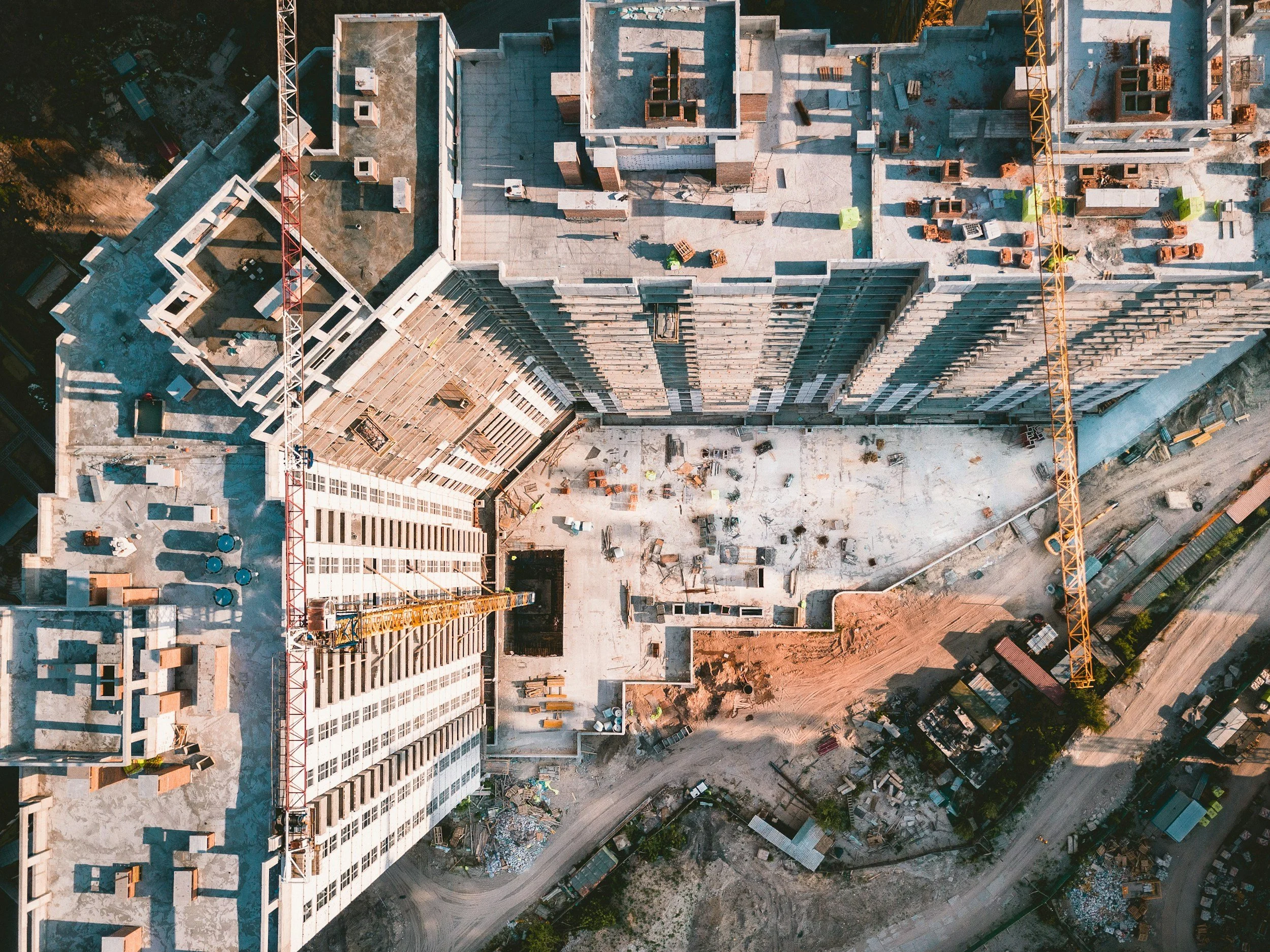
The Demand No Developer Can Build Around: What 806,000 Senior Housing Units and a 7.3 Million-Home Shortage Mean for the Spaces Inside Them
The markets serving aging Americans and the lowest-income renters are under structural demand the current pipeline cannot meet. NIC MAP Vision projects 806,000 additional senior housing units needed by 2030, and the National Low Income Housing Coalition reports a shortage of 7.3 million affordable homes. Every unit in that pipeline contains a space someone has to design well.
The residential markets serving aging Americans and the lowest-income renters are under structural demand that the current pipeline cannot meet. This is not a forecast that depends on a soft assumption. It is demographics already in motion, and it has a direct and underexamined consequence: a vast number of resident-facing spaces are about to be designed quickly, and most of them will be designed by people who have never studied who will use them.
Every unit in that pipeline contains a fitness or wellness space someone has to plan. The question for developers and operators building now is not whether the demand is real. It is whether the spaces inside all that new construction will perform, or whether they will repeat the most common outcome in the category: built, photographed, and underused.
The senior housing gap is a volume problem and a quality problem at once
NIC MAP Vision, the data arm of the National Investment Center for Seniors Housing and Care, projects that the United States will need 806,000 additional senior housing units by 2030 to keep pace with the aging population. The figure reflects the 80-and-over cohort moving into the years when demand for senior housing concentrates, measured against current penetration rates.
A number that large is usually read as an opportunity, and it is. It is also a warning. Hundreds of thousands of new communities and renovations means hundreds of thousands of fitness and wellness spaces designed under time pressure, often from a generic equipment list, often with no one in the room who can assess what an aging population actually needs from the space over the decades they will live there. Volume and speed are exactly the conditions under which the checkbox wins, because the checklist is fast and population-first design takes expertise.
The result, at scale, is a generation of fitness spaces built for the resident at move-in and not the resident they become, in the precise market where that distinction matters most. Senior living is the segment where a population ages inside the building, where the curve from independent to assisted is the whole point, and where a space frozen at the opening-day configuration fails its residents fastest. The demand guarantees the spaces will be built. It does not guarantee they will be built well.
The other end of the spectrum, scoped honestly
At the opposite end of the residential market, the National Low Income Housing Coalition reports a national shortage of 7.3 million affordable and available rental homes for the lowest-income renters, in its annual report "The Gap: A Shortage of Affordable Homes." This figure measures a specific group, renters at or below the federal poverty guideline or 30 percent of area median income, the deepest-subsidy end of the housing spectrum. It is not a measure of general multifamily supply, and it should not be read as one.
It matters here because the affordable and LIHTC segment is where the standard of care is most often quietly lowered. The assumption embedded in how much of the industry operates is that the depth of design expertise a community receives should be proportional to the margin it generates. Affordable housing gets the vendor layout. Market-rate gets a scaled-down version of luxury. Only the top of the market gets genuine design attention.
The standard of care does not scale with the budget. Budget constraints change the procurement strategy for hitting a quality standard. They do not change the standard itself, and they do not change what the resident of an affordable community needs from a fitness space, which is the same population-specific thinking a luxury high-rise receives. A space in a LIHTC development can be produced to the same standard as a luxury property: same methodology, same population-specific design, same quality of deliverables. The difference is in how the budget is deployed to reach that standard, not in whether the standard applies.
The space inside the unit is the part that gets shortchanged
Put the two ends of the spectrum together and the pattern is clear. Across senior living and affordable housing, across luxury and market-rate, demand is pushing a historic volume of resident-facing spaces into design, fast, and the fitness and wellness space is consistently the one treated as a requirement to satisfy rather than an asset to engineer.
That is the gap. Not a gap in units, which the market is racing to fill, but a gap in how the spaces inside those units are designed. A fitness center built population-first, with operational flow and accessibility designed in before equipment is selected and a horizon that accounts for who the residents become, performs in the terms that matter: resident engagement that holds, an asset that does not need an early renovation, and a capital decision that can be defended upward. A fitness center built from a list does none of that, regardless of how new the equipment looks on opening day.
What this means for the people building now
For a developer or operator with projects in the pipeline, the demand picture is the business case for getting the space right the first time, at the planning stage, before concrete is poured and circuits are set. The cost of a population-first fitness space is a fraction of the project, and the cost of getting it wrong is paid later, in early replacement, in renovation, and in a space that never converts a tour or holds a resident.
The demand is structural, the volume is historic, and every unit in it contains a space someone has to design. The developers and operators who treat that space as a capital investment with a horizon, rather than a box to check before opening, are the ones whose buildings will still be performing when the rest of the pipeline is being renovated.
AR Performance + Design works with developers and operators across the full residential spectrum, from senior living and affordable housing to market-rate and luxury, designing fitness and wellness spaces that perform from day one and hold their standard for decades. If you have projects in the pipeline and want the spaces inside them to perform, [start a conversation.]
Sources: NIC MAP Vision (National Investment Center for Seniors Housing and Care), projection of 806,000 additional senior housing units needed by 2030. National Low Income Housing Coalition, "The Gap: A Shortage of Affordable Homes," reporting a shortage of 7.3 million affordable and available rental homes for extremely low-income renters. Figures current as of publication and re-verified annually.

Movement Is the Closest Thing We Have to Medicine: A Plain Guide to Staying Strong as You Age
The single most reliable thing a person can do to protect their independence as they grow older is to keep moving. Not to train like an athlete, just to keep the body doing what bodies are built to do. Movement is the closest thing we have to medicine, and unlike most medicine, it is never too late to start.
The single most reliable thing a person can do to protect their independence as they grow older is to keep moving. Not to train like an athlete, not to spend hours in a gym, not to take up something new and intimidating at 80. Just to keep the body doing what bodies are built to do: stand, reach, lift, balance, walk, carry. Movement is the closest thing we have to medicine, and unlike most medicine, it is never too late to start and it costs nothing to begin.
If you have been telling yourself that the time for this has passed, it has not. The body responds to movement at every age. A person who begins gently in their 70s or 80s can build strength, steady their balance, and feel more like themselves within weeks. The starting line is wherever you are today.
What changes in the body, and what movement holds onto
Aging does a few quiet things to the body, and most of them are easier to slow than people expect.
Muscle tends to fade when it isn't used, and with it goes the strength to rise from a chair, climb a stair, or carry groceries without thinking about it. Balance gets less automatic, which is why so many people start to move more carefully, more tentatively, and a little smaller each year. Joints stiffen when they sit still and loosen when they move. And confidence, which is not usually listed as a physical trait, turns out to be one of the most physical things of all, because a person who trusts their body moves through the world differently than a person who has started to doubt it.
Regular movement helps protect every one of these. It is associated with maintaining strength, supporting balance, keeping joints mobile, and holding onto the steadiness that lets a person stay independent in their own life. It does not stop time. It helps you meet it on stronger footing.
The fear that keeps people out of the fitness room
Plenty of people walk past their community fitness center for months and never go in. The reasons are almost always the same, and almost never about laziness.
There is the worry about looking foolish, of not knowing how a machine works while someone watches. There is the quiet belief that a fitness room is for people who are already fit, already strong, already the kind of person who belongs there. There is the fear of doing something wrong and getting hurt. And there is the simple discomfort of being new at something in a room that feels like it was built for people who are not.
A good fitness space is designed to take those fears off the table. The equipment is chosen to be approachable, not intimidating. The layout gives a new person a place to begin and a little privacy to begin in. Nothing about a well-designed space asks you to already be good at this before you are allowed to start. If your community's fitness center feels welcoming the moment you step in, that is not an accident. Someone designed it that way, for you specifically.
A note for the wellness and life-enrichment teams
For the staff who run these spaces, the most valuable thing you can offer a hesitant resident is rarely a class schedule. It is a lower barrier to the first visit.
The first time is the hardest, and almost everything that keeps a person away is front-loaded into that first step through the door. A walk-through with no expectation of a workout. A standing invitation to come look without committing. A familiar face who will be there the first time. The new user does not need a program on day one. They need to feel that the room is theirs and that no one is keeping score, and once they feel that, the program has something to build on. Your job at the start is not to get them training. It is to get them comfortable being in the room.
You can start this week
You do not need a goal, a plan, or a reason beyond wanting to feel a little stronger and a little steadier than you do right now. Walk down to the fitness space in your community and look around. Sit on something. Try one thing. Come back tomorrow and try it again. That is the entire beginning, and it is enough.
The best version of this is the kind of space that makes the first visit easy and the hundredth visit worth it, designed around the people who actually live there. That is the thinking behind every space we build, and the hope behind this whole piece is simpler than any of it: that you walk down the hall this week, and find out what your body can still do.